Oral cleaning in Barcelona
A dental cleaning removes tartar, which is mineralised plaque stuck to the tooth, so a toothbrush can no longer take it off. Here it costs 30 euros, takes about 30 minutes and has four steps. If probing finds pockets, what you need is not a cleaning but scaling below the gum, and you are told at the check-up.
Prevent with a prophylaxis
A dental cleaning removes what a toothbrush no longer can: tartar, which is mineralised plaque stuck to the tooth. It is not cosmetic, even though teeth do come out brighter: the plaque left at the gum line is what inflames it, and an inflamed gum ends up losing bone.
There are two different treatments, and it is worth knowing which one is yours before booking, because they do not cost or last the same: Prophylaxis. The maintenance clean: ultrasound above the gum line, polishing and fluoride, in a single session of about 30 minutes and with no anaesthetic.
If your gums are healthy and you come every six months, this is your treatment and you need nothing else. Scaling and root planing. Once there are periodontal pockets, the tartar sits below the gum and prophylaxis cannot reach it. The root is cleaned with curettes, under anaesthetic and quadrant by quadrant, over several sessions.
It is a periodontics treatment, not a longer cleaning. Which one you need is not decided by the price, it is decided by the probing: pocket depth is measured at the check-up beforehand. That is why a cleaning is not booked blind: we look first.
What does an oral cleaning consist of?
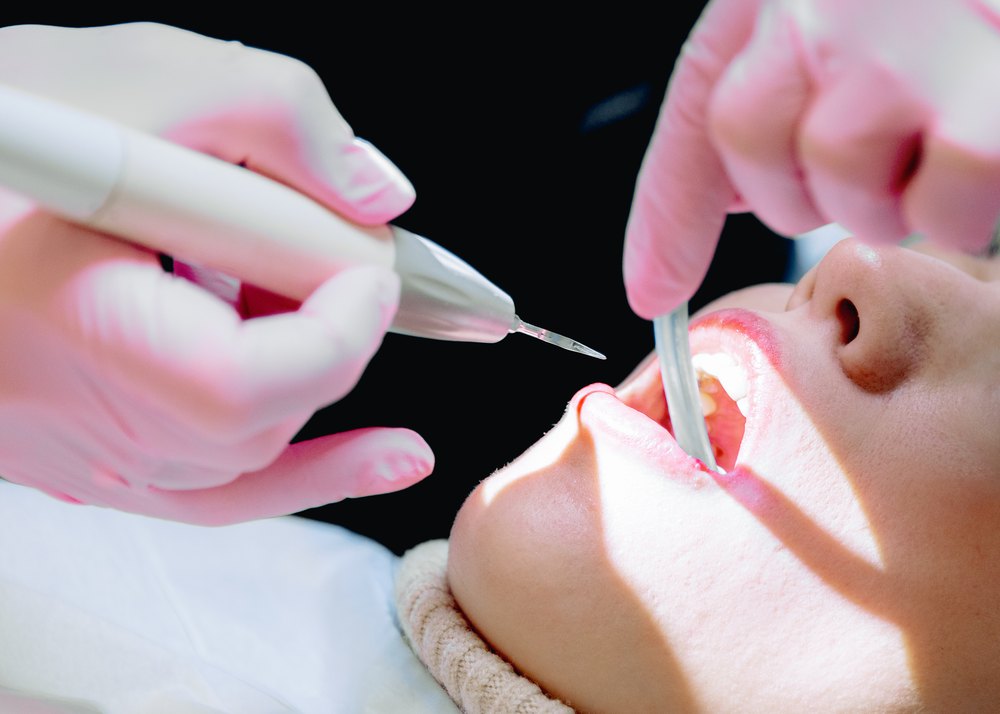
The cleaning we do here has four steps and takes about 30 minutes: 1. See where the plaque is. With a disclosing agent that stains it. It is not just for the hygienist: we show it to you, because seeing in your own mouth the two or three spots your brush never reaches is worth more than any general advice. 2. Remove the tartar with ultrasound.
A tip vibrating at high frequency breaks the deposit without touching the enamel, with water to cool it. It is the part that sounds loud and does not hurt. 3. Polish. Rubber cup and fine paste to leave the surface smooth: on a smooth tooth, plaque takes longer to take hold again. 4. Fluoride. It remineralises the enamel and lowers the sensitivity of the following days.
Two things people always ask. It does not weaken the enamel: the ultrasound breaks the tartar, which is what comes away, not the tooth. And if it bleeds during the cleaning, it is not that something is being done wrong: that gum was already inflamed, and two weeks after being cleaned it stops bleeding.
What you may notice afterwards is sensitivity to cold for a few days, especially if a lot of tartar was covering the neck of the tooth. It passes, and a desensitising toothpaste during that week makes it easier. A sensible frequency is every six months, and every three or four if you have had periodontitis, if you smoke or if you wear orthodontics.
Step-by-step prophylaxis
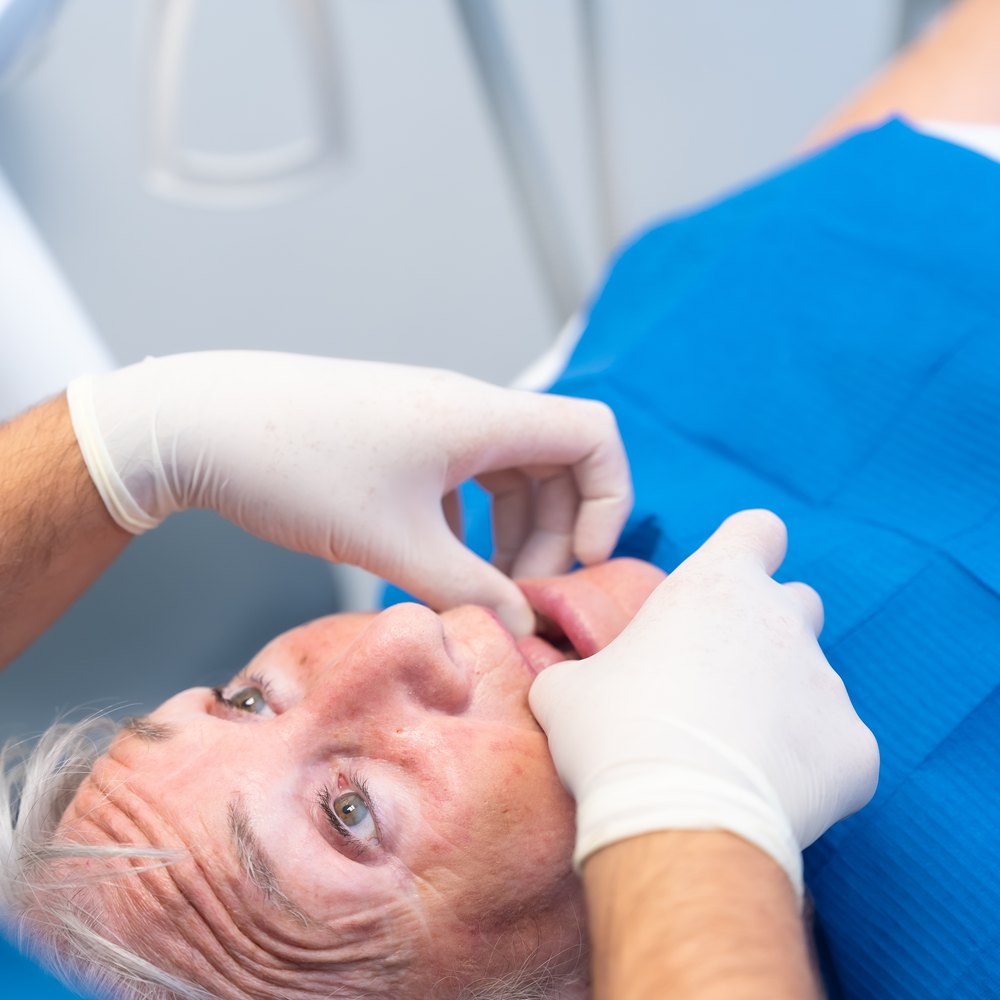
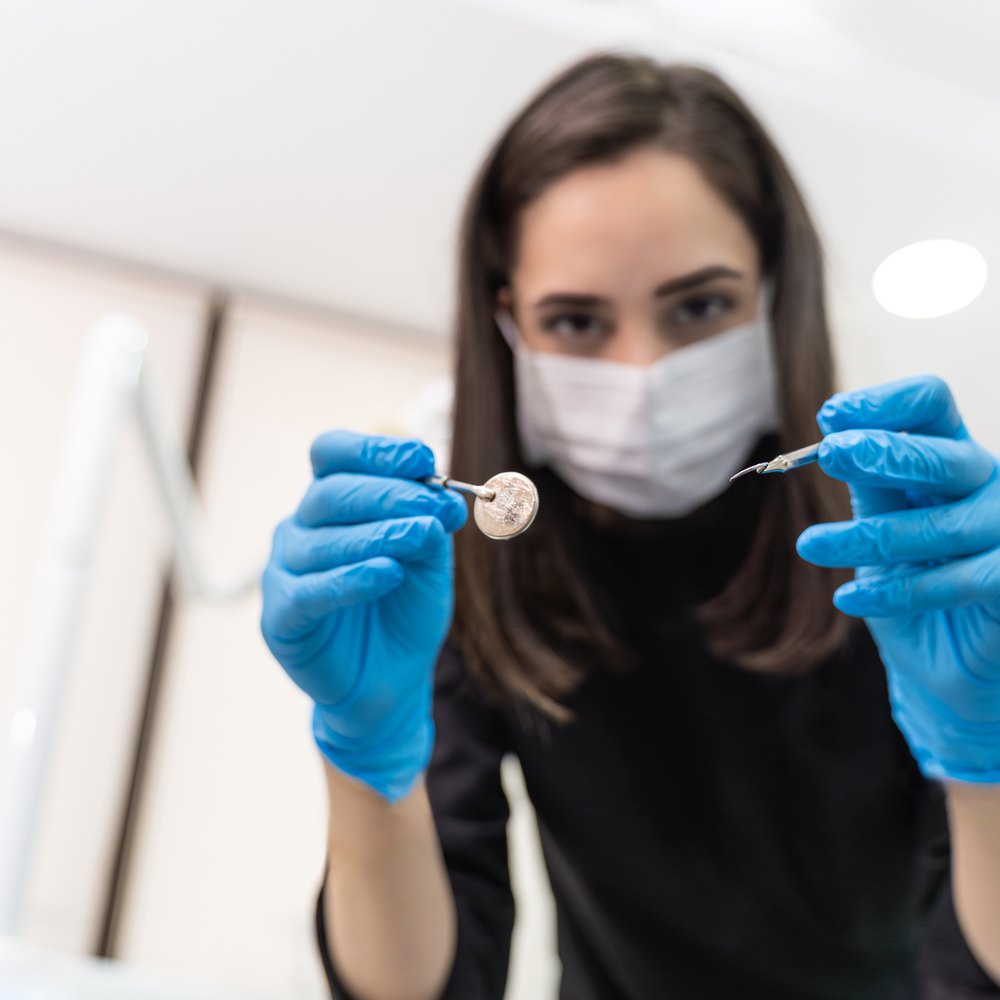
Does it hurt? Normally not, and no anaesthetic is used. It is only given when there is a lot of built-up tartar or the gums are very inflamed, which is when the tip has to work close to the sulcus. And if it bleeds? It is the most frequent question and the answer is reassuring: it bleeds because that gum was already inflamed, not because anything is being done wrong.
Two weeks after being cleaned it stops bleeding, and that is the sign things are going well. Does it wear down the enamel? No. The ultrasound fractures the tartar, which is what comes away. What does wear down the neck of the tooth is brushing hard with a stiff brush every day. How often? Every six months if your gums are healthy.
Every three or four if you have had periodontitis, if you smoke or if you wear orthodontics, because in those three cases tartar forms sooner. After the cleaning it is normal for teeth to feel sensitive to cold for a few days, especially if a lot of tartar was covering the neck. A desensitising toothpaste that week solves it.
When the tartar is already below the gum: scaling and planing
When it has been years since the last cleaning, or there is tartar below the gum, the treatment is done in two sessions: one for the upper arch and one for the lower. It is not a way of stretching the visit. Working slowly and by halves means only the area being treated is anaesthetised, and it leaves your mouth able to eat normally between one session and the next.
Doing it all at once in those cases means a long hour in the chair and half a mouth numb. If probing reveals pockets, we are no longer talking about a cleaning: it is scaling and root planing, under anaesthetic and quadrant by quadrant. We will tell you before we start, not halfway through.
Price of teeth cleaning in Barcelona
Oral cleaning in Barcelona: 30 €, closed price. It includes the four steps above and the check-up beforehand, which is what tells us whether this is enough. That check-up is not a formality: if probing reveals periodontal pockets, what you need is another treatment at another price, and we would rather tell you before you pay for a cleaning expecting it to solve periodontitis.
It is the most common complaint about this service in any clinic, and it is avoided by looking first. If you are also interested in lightening the shade, the cleaning package together with teeth whitening is detailed on its own page, with what it includes and its price.
What the 30 € covers and when the figure changes are broken down on the page about teeth cleaning cost in Barcelona.
Request your free assessment appointment
At Clínica Dental Barcelona, we are committed to keep you smiling as always. Our team is ready to answer your questions, schedule appointments and provide you with all the additional information you need. If you want more information about any treatment or want us to call you to schedule an appointment you can fill out the form, we will try to call you as soon as possible.
Frequently asked questions
How often should I have a cleaning?
Every six to twelve months in a healthy mouth, and it is the check-up that decides, not the calendar. If probing finds pockets or the gum bleeds on examination, the plan changes and what you need is a different treatment.
Does a cleaning hurt?
Normally not, and no anaesthetic is used. It is only given when there is a lot of built-up tartar or the gums are very inflamed, which are exactly the cases where it has been years since the last one.
Does a cleaning whiten the teeth?
No. It removes tartar and surface stains, so the tooth looks lighter, but its own colour does not change. Changing the colour is what whitening does, and that is a different treatment.
Why is it sometimes two sessions?
When it has been years since the last cleaning, or there is tartar below the gum, one arch is done per session. It is not to stretch the visit: with a very inflamed gum, doing it all at once is more uncomfortable and cleans less well.
You may also be interested in
